Hydration at Altitude: What Utah Locals Forget
Sandy sits at 4,500 feet. Your body loses fluid faster here than it would at sea level — and locals forget this the most.
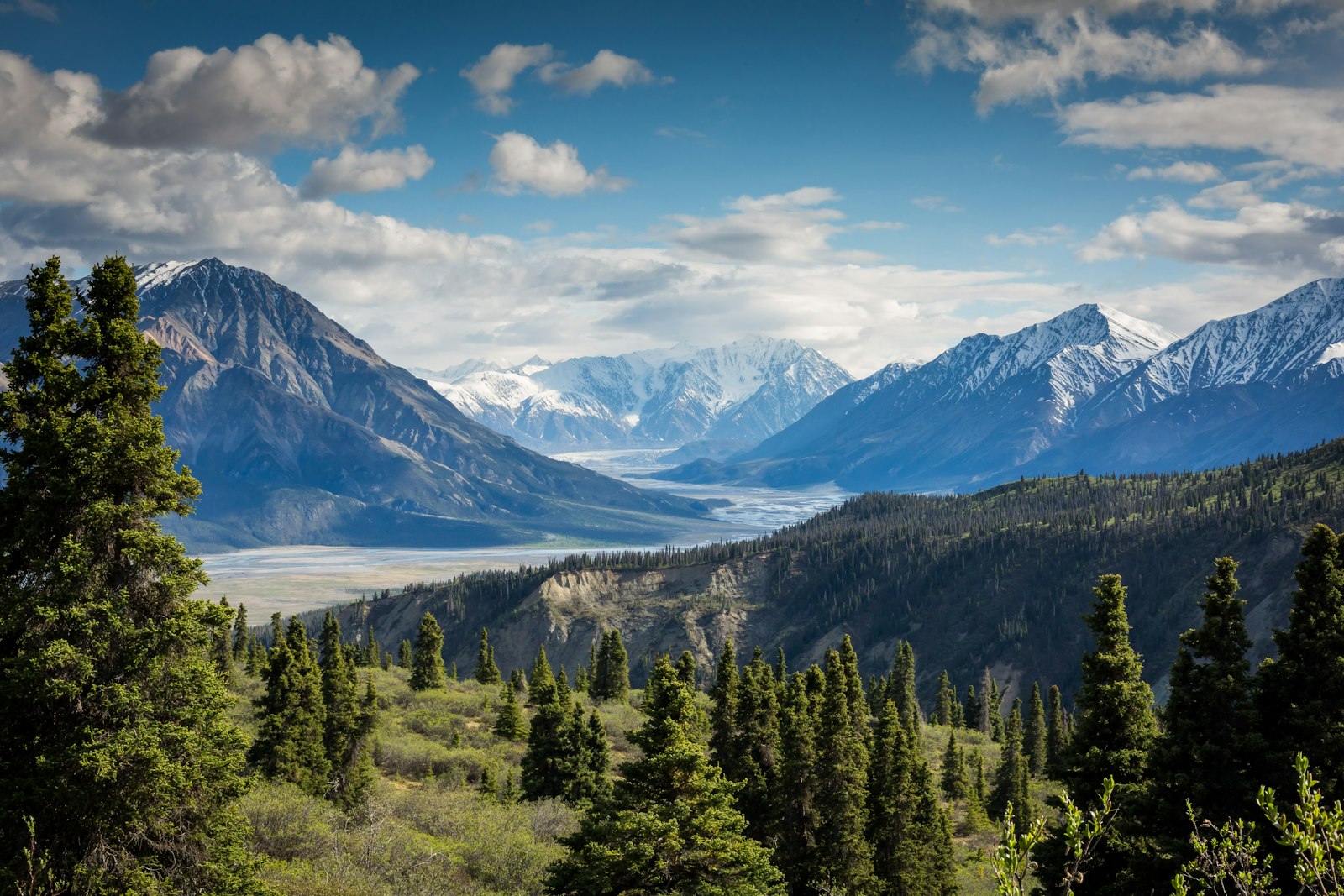
Sandy sits at roughly 4,500 feet. The Cottonwood canyons reach 8,000 to 11,000. Every elevation gain comes with three quiet hydration costs: drier air, faster respiration, and a mild increase in urine output as your body adjusts to lower oxygen pressure.
A sea-level visitor gets warned about all this. They drink water aggressively, take it slow the first day, and usually adjust within 48 hours. Locals don't get the warning, because we live here. We assume our bodies are already adapted. They are — to a baseline that's still under-hydrated by every clinical standard.
You don't feel altitude dehydration the way you feel summer dehydration. You feel it as fatigue, headaches, and bad sleep.
The symptoms don't show up as obvious thirst. They show up as headaches by mid-afternoon, fatigue that no amount of coffee fixes, restless sleep, and a kind of low-grade brain fog you stop noticing because it's constant.
Drinking more water is the right answer most of the time. Two-and-a-half to three liters daily is a reasonable target for most adults in our climate. Add electrolytes if you're sweating regularly. The IV is a tool for catching up — after a ski day, after a hike, after a flight in — not a daily habit.
If you're tired and you live in Utah, water is the first thing to check. It's almost always at least part of the answer.