Why Oral Vitamins Don't Always Work (And When They Do)
Bioavailability is the word your supplement aisle isn't saying. Some nutrients absorb well by mouth. Others lose 80% before they reach you.
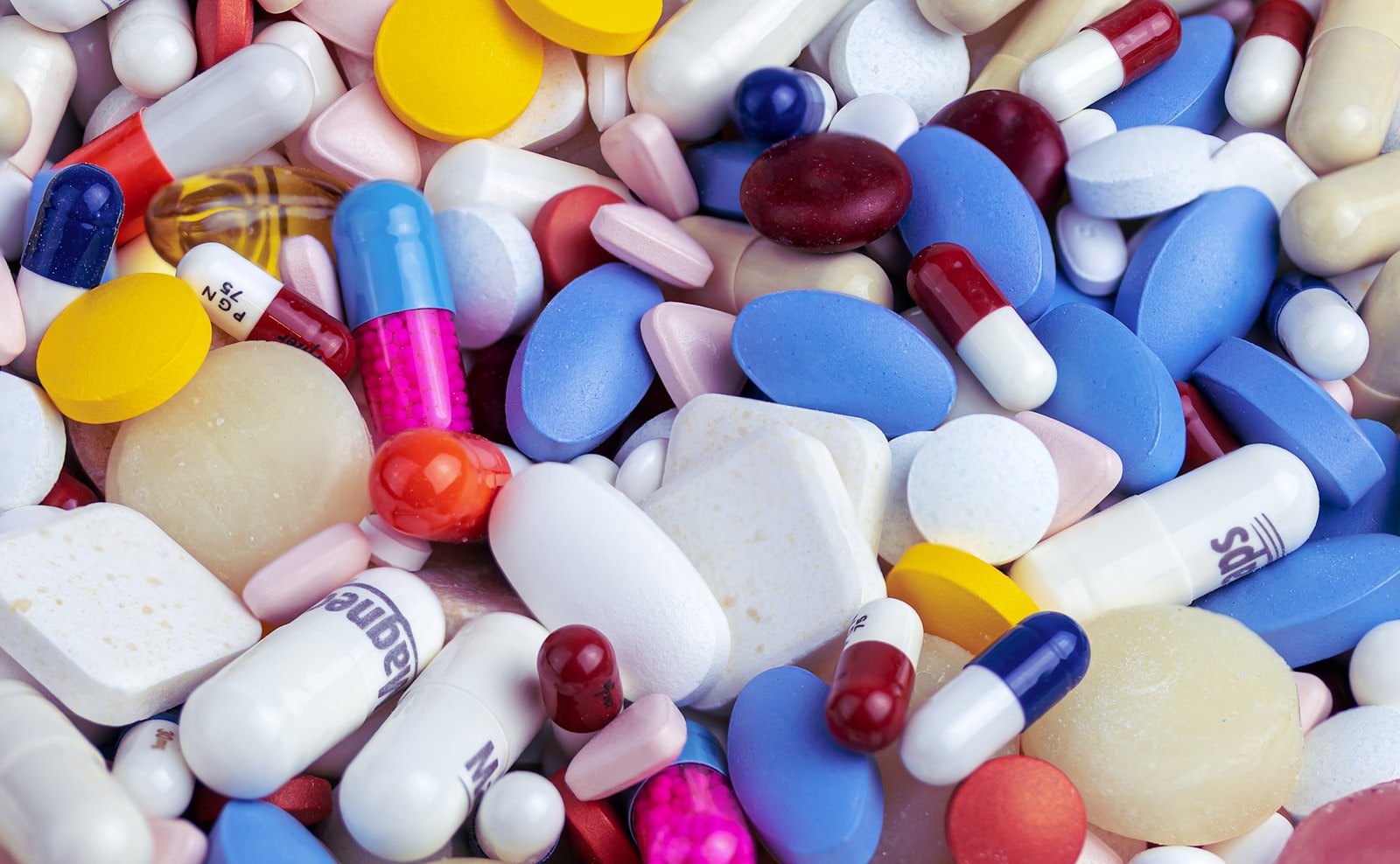
Bioavailability is the percentage of a nutrient that survives digestion and actually reaches your bloodstream. It's the number that determines whether the supplement you swallowed does anything. And the spread between nutrients is enormous.
Vitamin C bioavailability drops sharply at oral doses above 200 mg — your kidneys excrete most of the rest. Magnesium's oral absorption varies from about 30% (oxide form) to 50% (glycinate). B12 absorption requires intrinsic factor, a stomach protein that declines with age. Glutathione is almost entirely destroyed by stomach acid.
A 1000 mg oral vitamin C tablet delivers about as much to your tissues as a 200 mg IV push.
Some things absorb fine by mouth. Vitamin D is well-absorbed. Iron, in the right form, is well-absorbed. Most B vitamins at moderate doses do fine. For maintenance and prevention, oral supplements are the right tool — they're cheap, easy, and effective enough.
IV nutrient therapy isn't a replacement for those. It's a different tool, for a different job: when you need a therapeutic dose of something poorly absorbed, when you need it fast, or when the gut's in a state that prevents oral absorption (digestive disease, post-surgery, heavy illness).
Most of our regulars use both. Daily multivitamin for maintenance. IV sessions for specific goals or recovery windows. That's how the math actually works out.